Why Are My Air Ducts Sweating in Florida?
If you’re noticing sweating ductwork, ceiling stains, or moisture forming around your vents, it’s important not to ignore it. In Florida’s hot and humid climate, condensation problems around HVAC ductwork are extremely common, especially during the summer months when your air conditioner is running heavily.
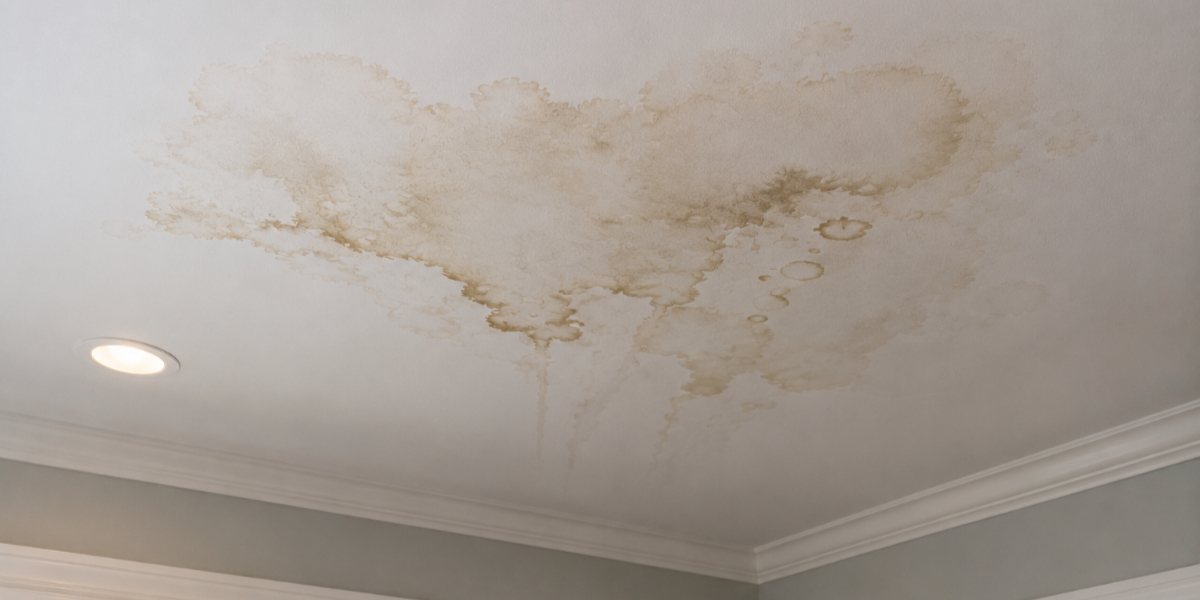
Many homeowners first notice brown water stains forming on ceilings near vents or duct lines. Others may see dripping water, wet insulation, musty odors, or even visible moisture on exposed ductwork in attics or garages. While the issue may initially seem minor, sweating ducts can eventually lead to mold growth, ceiling damage, insulation deterioration, and reduced HVAC efficiency if the root cause is not corrected.
Below, we’ll explain what causes ductwork to sweat, why water stains form around ceilings and vents, what homeowners can safely check first, and when it’s time to call Dymond Heating & Cooling for professional HVAC diagnostics and repair.
Why do air ducts sweat?
Duct sweating happens when warm, humid air comes into contact with cold duct surfaces. This temperature difference causes condensation to form on the outside of the ductwork, similar to how cold drink glasses sweat outdoors on a hot Florida day.
Florida homes are especially prone to this problem because of:
-
- High outdoor humidity
- Extremely hot attic temperatures
- Long AC run times
- Poor attic ventilation
- Improper duct insulation
When condensation becomes excessive, moisture can eventually soak insulation, drip onto ceilings, and create visible water stains around vents or duct pathways.
Ignoring these warning signs can eventually result in mold growth, drywall damage, wood rot, and ongoing indoor air quality concerns.
Common causes of sweating ductwork
Poor duct insulation is one of the most common reasons ducts sweat. If insulation around the ductwork is damaged, compressed, or missing entirely, warm attic air can contact the cold metal duct surface directly, creating condensation.
High indoor humidity levels can also increase condensation problems significantly. If your home’s humidity remains elevated, moisture in the air collects more easily on cold HVAC surfaces. Homes with poor humidity control often benefit from additional indoor air quality solutions to help manage moisture levels.
Air leaks in ductwork can contribute to sweating as well. Leaking conditioned air changes surface temperatures around ducts and may expose sections of ductwork to warm attic air. Professional duct inspections and airflow evaluations can help identify these problems.
Dirty air filters and restricted airflow may also contribute. Poor airflow can cause ducts and evaporator coils to become excessively cold, increasing condensation buildup throughout the system.
Improperly sized HVAC systems sometimes create humidity control issues. Oversized systems may cool quickly but fail to remove enough moisture from the air, leaving indoor humidity levels elevated.
What causes ceiling water stains around vents?
Water stains around vents usually occur when condensation drips from ductwork, vent boots, or surrounding insulation into the ceiling material below.
Common warning signs include:
-
- Brown or yellow ceiling stains
- Dripping water near vents
- Peeling paint around registers
- Musty odors near ceiling areas
- Wet attic insulation
- Visible condensation around vents
Because water stains may also resemble roof leaks, professional inspection is often needed to determine whether the moisture is coming from HVAC ductwork or roofing problems.
Step-by-step: What to check first if your ducts are sweating
If you notice sweating ductwork or water stains forming on ceilings, there are several things homeowners can safely inspect before scheduling professional HVAC service.
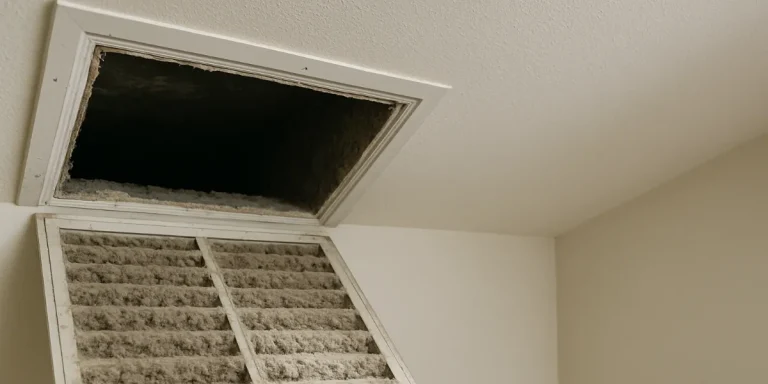
1. Replace your air filter
Dirty air filters restrict airflow and can contribute to colder-than-normal duct temperatures and condensation buildup.
-
-
- Inspect the filter immediately
- Replace clogged filters with the proper size
- Check filters every 30–60 days in Florida homes
-
Improved airflow may help reduce condensation throughout the system.
2. Look for visible duct insulation damage
If accessible, inspect exposed ductwork in attics, garages, or utility areas.
-
-
- Look for torn or compressed insulation
- Check for exposed metal duct surfaces
- Inspect for wet insulation or water stains
-
Damaged insulation is one of the most common causes of sweating ducts in Florida attics.
3. Monitor indoor humidity levels
High indoor humidity contributes heavily to condensation problems.
-
-
- Watch for sticky indoor air
- Check for window condensation
- Notice musty smells or damp rooms
-
Persistent humidity problems may indicate airflow, sizing, or HVAC performance issues.
4. Inspect around ceiling vents
Check vents and ceiling registers for visible moisture or discoloration.
-
-
- Look for peeling paint
- Inspect for water rings or staining
- Check for dripping during heavy AC usage
-
Water stains that continue growing usually require professional diagnosis to prevent further damage.
5. Schedule a professional HVAC inspection
If condensation problems continue, professional HVAC diagnostics are usually needed to identify the exact cause.
The team at Dymond Heating & Cooling can:
-
-
- Inspect duct insulation and airflow
- Evaluate attic humidity and ventilation
- Check for duct leakage
- Inspect system sizing and humidity removal
- Identify condensation sources causing ceiling damage
-
Professional diagnostics help correct the root issue before moisture damage spreads further.
Common HVAC problems that cause sweating ducts
Some condensation problems involve larger HVAC performance issues that require professional repair or system modifications.
Leaky ductwork
Air leaks in attic duct systems can dramatically increase condensation problems by exposing cold duct surfaces to warm humid attic air.
Older homes throughout Tampa Bay and Pasco County commonly experience duct leakage problems that reduce efficiency while increasing moisture buildup.
Professional duct inspections help identify leakage and airflow restrictions contributing to sweating and ceiling stains.
Poor airflow and frozen components
Restricted airflow caused by dirty filters, blower problems, or clogged coils can cause HVAC components to become excessively cold. This increases condensation and may eventually lead to frozen evaporator coils.
Routine AC maintenance services help identify airflow problems before they create larger moisture issues.
Oversized HVAC systems
Oversized air conditioning systems may cool homes too quickly without running long enough to remove proper humidity from the air.
As a result, indoor humidity stays elevated, increasing the likelihood of condensation on ductwork and vents.
Professional cooling system evaluations help determine whether improper system sizing may be contributing to humidity problems.
Insulation and attic ventilation issues
Even properly functioning HVAC systems can experience condensation problems if attic heat and humidity levels become excessive.
Poor insulation, inadequate ventilation, and extreme attic temperatures all increase the likelihood of sweating ductwork during Florida summers.
Can regular maintenance help prevent duct sweating?
Absolutely. Preventative maintenance plays a major role in reducing condensation and humidity-related HVAC problems.
-
- Replace filters regularly
- Schedule seasonal HVAC tune-ups
- Inspect ductwork and insulation
- Clean evaporator coils
- Test airflow performance
- Monitor humidity levels
Our HVAC maintenance plans help Florida homeowners reduce airflow issues, improve humidity control, and prevent moisture-related damage before it becomes severe.
Homes struggling with excessive humidity or poor circulation may also benefit from additional indoor air quality services to improve comfort and moisture management throughout the home.
When should you call an HVAC technician?
If your ducts continue sweating or ceiling stains keep growing, it’s time for professional HVAC evaluation.
You should also call for service if you notice:
-
- Visible water dripping from vents
- Persistent musty odors
- Wet attic insulation
- High indoor humidity
- Weak airflow throughout the home
- Growing ceiling stains or discoloration
Fast diagnosis can help prevent mold growth, drywall damage, and more expensive HVAC problems later. Whether you need air conditioning repair, duct diagnostics, or a full system replacement consultation, addressing moisture problems early is always the safer option.
Proudly Serving Pasco County and the Tampa Bay Area
Dymond Heating & Cooling provides professional HVAC repair, maintenance, airflow diagnostics, and cooling services throughout:
Schedule a Duct and Airflow Inspection Today
If your ducts are sweating or you’re seeing water stains on your ceiling, don’t ignore the warning signs. Excess moisture around your HVAC system can lead to mold, insulation damage, ceiling repairs, and reduced cooling performance.
Call Dymond Heating & Cooling for professional airflow diagnostics and HVAC repair. Whether you’re dealing with attic humidity, sweating ducts, leaking insulation, or cooling system performance issues, our licensed HVAC technicians can identify the problem and recommend the right solution. We also provide indoor air quality services, system replacement consultations, and ongoing preventative HVAC maintenance throughout the Tampa Bay area.
Request your HVAC inspection or estimate today and let our team help protect your home from moisture and HVAC damage.