Why Is My Upstairs Hotter Than Downstairs?
If your upstairs always feels hotter than your downstairs, you’re not alone. This is one of the most common comfort complaints homeowners experience throughout Florida, especially during long summer afternoons when heat and humidity are at their peak. In many homes, the air conditioner may seem to be running constantly, yet second-floor bedrooms and bonus rooms still feel uncomfortable.
While some temperature difference between floors is normal, a noticeably hot upstairs usually points toward airflow problems, duct issues, insulation concerns, or an HVAC system struggling to cool the home evenly. Understanding what causes this imbalance can help you improve comfort, reduce strain on your system, and avoid unnecessarily high cooling bills.
Below, we’ll break down the most common reasons upstairs rooms stay warmer, what homeowners can safely check first, and when it’s time to call Dymond Heating & Cooling for professional diagnostics and cooling solutions.
Why is the upstairs hotter than downstairs?
Heat naturally rises, which means second floors almost always collect more heat than lower levels. In Florida homes, this issue becomes even worse because attic temperatures can become extremely high during the summer. That heat radiates downward into upstairs rooms, making them harder to cool.
In some homes, the HVAC system itself may also be contributing to the problem. Poor airflow, aging equipment, dirty filters, duct leakage, or improper thermostat placement can all make upstairs areas significantly warmer.
Some homeowners notice upstairs bedrooms remain warm at night, while others struggle with uneven temperatures throughout the day. In many cases, the air conditioner may continue running longer than normal without fully solving the issue.
Ignoring these warning signs can increase energy bills, reduce comfort, and place additional wear on your HVAC system. In some cases, ongoing strain may eventually lead to the need for a full air conditioner replacement.
Common reasons upstairs rooms stay hotter
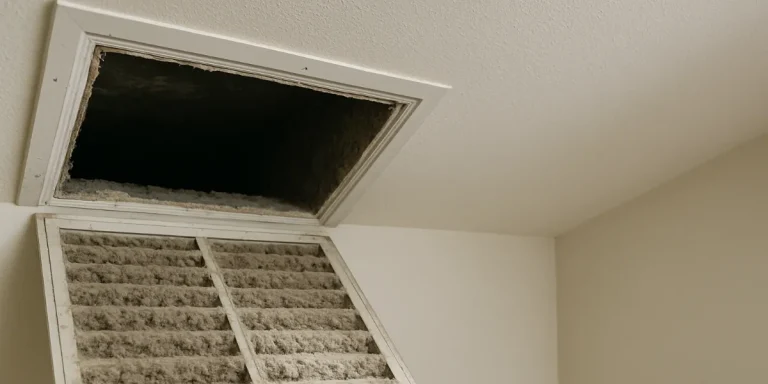
Poor airflow is one of the most common reasons upstairs rooms remain uncomfortable. Restricted airflow can result from dirty filters, blocked vents, undersized ductwork, or blower motor issues. When cool air cannot circulate properly, upper floors often suffer first. Regular HVAC maintenance helps keep airflow balanced throughout the home.
Leaky attic ductwork is another major issue in Florida homes. Many upstairs ducts run through extremely hot attics. If those ducts are leaking or poorly insulated, cooled air can warm up before it ever reaches upstairs rooms. Professional duct inspections and cleaning services can help identify airflow restrictions and leakage problems.
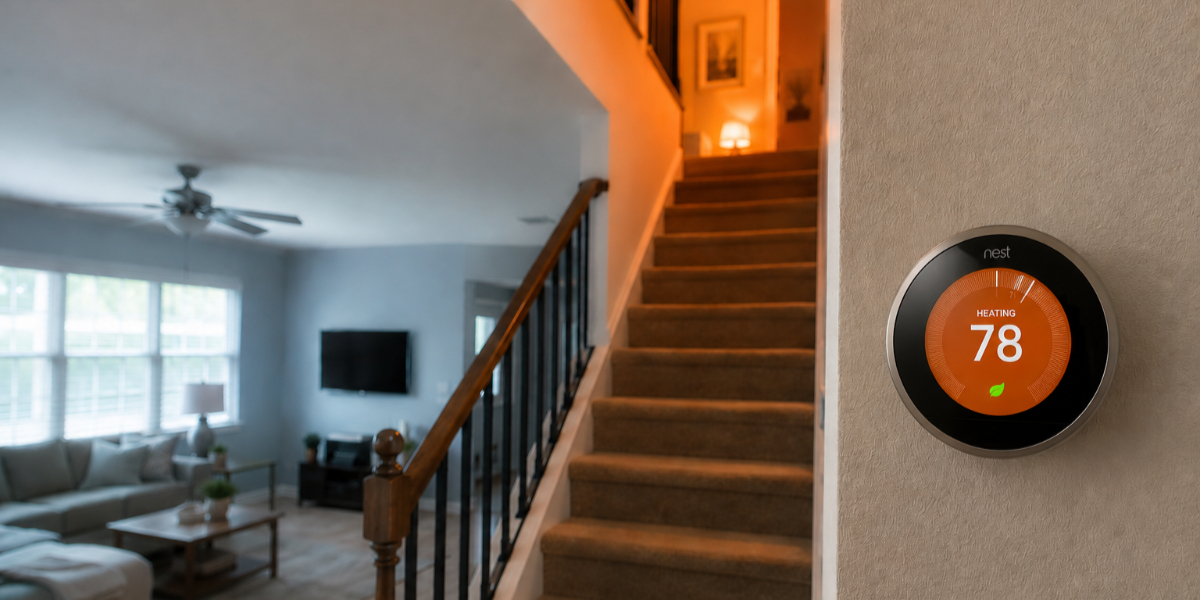
Thermostat placement problems can also affect cooling performance. In homes with a single downstairs thermostat, the system may shut off once the lower floor reaches the desired temperature, even though the upstairs remains much warmer. Upgrading to a smart thermostat system can often improve temperature management throughout the home.
Dirty air filters reduce airflow and force your HVAC system to work harder. Upstairs rooms may cool unevenly or receive weak airflow as the system struggles to circulate conditioned air efficiently.
Insufficient attic insulation allows excessive heat transfer into upstairs rooms. Homes with poor insulation often experience much larger temperature differences between floors during the hottest months of the year.
An aging or undersized AC system may simply struggle to keep up with Florida’s cooling demands. Older systems often lose efficiency over time, especially if they have not received consistent professional maintenance.
What happens if you ignore the problem?
If your upstairs constantly stays hotter than downstairs, your HVAC system may be working harder than necessary. Continuing to ignore the issue can result in:
-
- Higher electric bills
- Longer cooling cycles
- Excessive system wear
- Poor humidity control
- Uneven indoor comfort
- Premature HVAC replacement
That’s why it’s important to identify airflow and cooling issues early before they create larger HVAC problems. Scheduling preventative AC maintenance services before peak summer heat can often help reduce these comfort issues significantly.
Step-by-step: What to check first if your upstairs feels too hot
If your second floor stays noticeably warmer, there are several things homeowners can safely inspect before scheduling professional service. These basic checks may help improve airflow and cooling performance.
1. Check your air filter
Dirty filters are one of the simplest and most overlooked causes of uneven cooling throughout a home.
-
-
- Replace clogged filters immediately
- Inspect filters every 30–60 days
- Use the correct filter size for your system
-
Improved airflow may help cool upstairs rooms more evenly. Homes dealing with dust or allergy issues may also benefit from additional indoor air quality solutions.
2. Inspect upstairs vents and airflow
Walk through upstairs rooms and inspect all supply vents and returns.
-
-
- Make sure vents are fully open
- Move furniture blocking airflow
- Check for rooms receiving weak airflow
-
Weak airflow may indicate duct restrictions, blower issues, or leakage that requires professional diagnosis. In some cases, air duct cleaning can help improve circulation.
3. Check thermostat settings and operation
Make sure your thermostat is operating properly and set to “Cool.” In homes with a single thermostat downstairs, temperature balancing between floors can become difficult.
-
-
- Replace thermostat batteries if needed
- Verify the fan setting is on “Auto”
- Confirm the thermostat is reading temperatures correctly
-
Modern smart thermostat installations can help improve scheduling, airflow management, and cooling consistency between floors.
4. Reduce upstairs heat gain
Sunlight entering upstairs windows creates significant heat buildup during the afternoon.
-
-
- Close blinds during peak afternoon hours
- Use blackout curtains if necessary
- Seal obvious air leaks around windows
-
Reducing heat gain upstairs can help lower cooling demand and improve overall comfort.
5. Schedule a professional airflow evaluation
If your upstairs continues feeling warm despite basic troubleshooting, professional diagnostics are usually needed.
The team at Dymond Heating & Cooling can:
-
-
- Inspect ductwork for leakage or restrictions
- Test airflow and blower performance
- Evaluate attic heat and insulation concerns
- Check system sizing and cooling capacity
- Recommend zoning or thermostat upgrades
-
Professional airflow diagnostics help identify the root cause of uneven cooling so the issue can be corrected properly.
Common HVAC problems that create uneven cooling
Some upstairs temperature problems require professional repair or system modifications to solve effectively.
Duct leakage and airflow restrictions
Leaky ductwork can waste a significant amount of conditioned air before it ever reaches upstairs vents. Older homes throughout Tampa Bay and Pasco County commonly experience airflow loss in attic duct systems.
Our technicians can inspect duct systems, identify restrictions, and recommend solutions that improve comfort and efficiency. In homes with excessive dust buildup, indoor air quality improvements may also help improve airflow performance.
Blower motor or airflow problems
If the blower motor is weak or failing, your system may struggle to circulate cool air effectively throughout the second floor. Blower issues often worsen gradually over time before complete failure occurs.
Routine inspections through a preventative maintenance plan can often identify airflow problems early.
Improper system sizing
An undersized HVAC system may simply lack the capacity needed to cool a larger two-story home properly during Florida summers.
Professional cooling system evaluations help determine whether your existing system is properly sized for your home’s cooling needs.
Aging air conditioning systems
Older systems often lose cooling efficiency and airflow performance over time. If your system struggles to maintain comfort despite repeated repairs, replacement may eventually become the more cost-effective option.
Newer high-efficiency AC systems often provide better humidity control, stronger airflow, and more consistent temperatures between floors.
Can regular maintenance help prevent uneven temperatures?
Absolutely. Preventative maintenance is one of the best ways to improve airflow performance and reduce upstairs cooling problems.
-
- Replace filters regularly
- Schedule seasonal HVAC tune-ups
- Inspect ductwork and airflow
- Clean evaporator and condenser coils
- Test blower performance
- Evaluate thermostat operation
Our HVAC maintenance plans are designed to help Florida homeowners reduce airflow problems, improve comfort, and extend system lifespan. These visits also allow technicians to inspect indoor air quality components, duct performance, and cooling efficiency before issues become more serious.
Routine maintenance helps systems cool more evenly during the hottest part of the year.
When should you call an HVAC technician?
If your upstairs remains consistently hotter after replacing filters and checking vents, it’s time to schedule professional service.
You should also call for service if you notice:
-
- Weak airflow upstairs
- Large temperature differences between floors
- Long cooling cycles
- High indoor humidity
- Warm bedrooms at night
- Rising utility bills
Fast diagnosis can often prevent unnecessary strain on your HVAC system. Whether you need air conditioning repair, airflow diagnostics, or a full system replacement consultation, addressing the issue early is always the better option.
Proudly Serving Pasco County and the Tampa Bay Area
Dymond Heating & Cooling provides professional HVAC repair, maintenance, and cooling services throughout:
Schedule an HVAC Airflow Evaluation Today
If your upstairs constantly feels hotter than downstairs, don’t ignore the warning signs. Uneven cooling usually means your HVAC system is struggling with airflow, ductwork, insulation, or cooling performance issues.
Call Dymond Heating & Cooling for professional airflow diagnostics and repair. Whether you’re dealing with weak airflow, uneven temperatures, attic heat issues, or an aging system struggling in the Florida heat, our licensed HVAC technicians can identify the issue and restore comfort throughout your home. We also provide indoor air quality services, smart thermostat upgrades, and ongoing preventative HVAC maintenance to help keep your system operating efficiently long-term.
Request your HVAC evaluation or estimate today and let our team help restore balanced comfort throughout your home.